Your gateway to Expos since 1998


Expos
What are Expos?
Expos are international mega-events where countries come together, officially represented by their governments, to educate the public about the great challenges and achievements of their time.
Each Expo lasts up to six months and turns its host city into a meeting place for nations, with pavilions, exhibitions and cultural programs. Since the first Expo in 1851, about 70 have taken place around the world, and Expo 2027 Beograd i Expo 2030 Rijad are next.
175
Years of Expo tradition
70
Expos to date
24
Host countries
including 2 upcoming
907M+
Accumulated visits

Timeline
Expo highlights

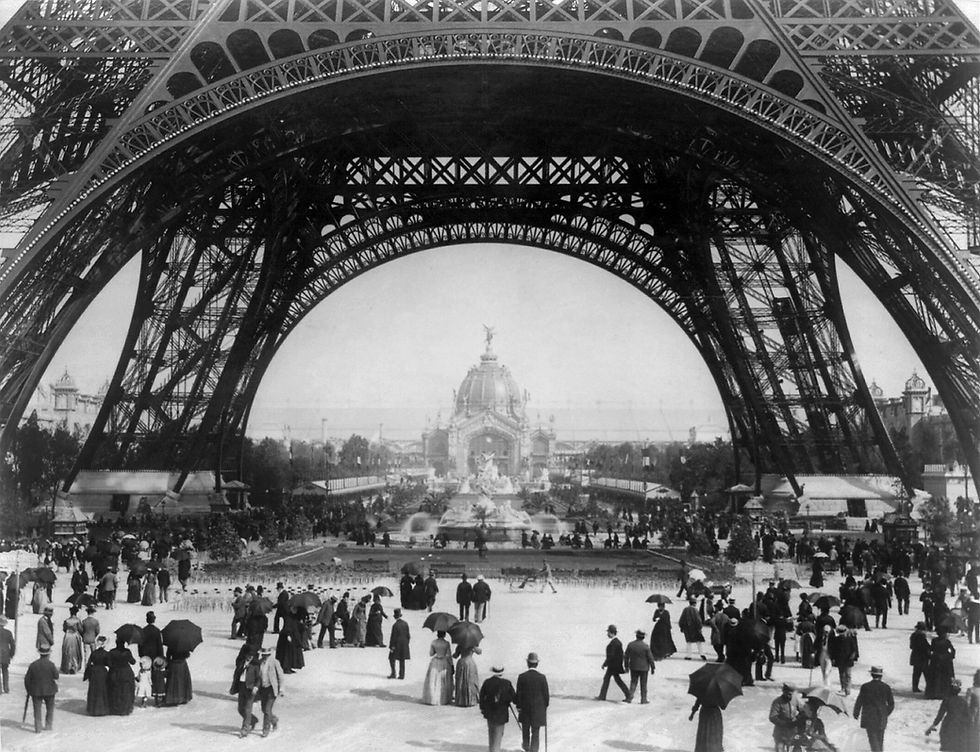


Every Expo leaves its mark. Some left landmarks that still define their host cities, others brought new ideas about the future, and all of them gave nations a stage to share their story with millions of visitors.
This timeline follows that journey from Expo 1851 London to the present day, and the story continues with Expo 2027 Beograd i Expo 2030 Rijad. Explore each edition to discover its theme, its standout pavilions, and the legacy it left behind for its host city and the world.

History
How did Expos come to exist?
Many authors skip a process of over 55 years that shaped core characteristics of Expos. In this period, organizers of national exhibitions in France and the United Kingdom fostered innovation through education for the masses, experimented with the duration and extension of the event, and moved toward an international projection of an official nature.
All these elements came together for the first time in London in 1851, at the “Great Exhibition of the Works of Industry of All Nations.” On May 1, 1851, a tradition of Expos was born that has been alive for 175 years.

Legislation
Who regulates Expos?
The International Exhibitions Bureau (Bureau International des Expositions, BIE) is the intergovernmental organization responsible for overseeing the implementation of the Convention Relating to International Exhibitions on behalf of its 184 member countries.
Established in 1928 and operational since 1931, the BIE is headquartered in Paris.
184
Member countries
2
Expo categories
4
Expos per decade

Resources
Learn more about Expos
Dive deeper into the fascinating world of Expos with our curated selection of resources. From essential books and academic articles to searchable databases, websites, photo galleries and professional networks, this section offers tools to expand your knowledge and connect with others interested in the history, impact and future of Expos.